Pomerol
======
Beauregard (80% Merlot and 20% Cabernet Franc)
N: Inky and sweet. Fresh, strong and serious. A little spirity and roasted with earthy aromas.
P: Feminine and soft. Melts in the mouth. Finishes rich but not overdone. Juicy and especially tart. A delicate sensual wine. Worth seeking out.
Le Bon Pasteur (80% Merlot and 20% Cabernet Franc)
N: Dried fruit. Slightly dusty.
P: Medium-heavy mouth feel. Fills out nicely on the palate. Soft tannin and one has the impression of alcoholic strength, but not in a way that detracts. Rubbery (empyreumatic) notes and slightly dry aftertaste. Oak plays too major a role at the present time.
This estate was sold to a Chinese owner by Michel Rolland.
La Cabanne (94% Merlot and 6% Cabernet Franc)
N: Noticeable reductive notes, but this may not be a fair time to taste. Biscuity with hints of black fruit jelly.
P: Soft and unctuous. Seems traditional with little oak influence. A decent Pomerol, but not one of the best.
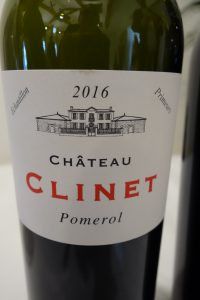
Clinet (90% Merlot and 10% Cabernet Sauvignon)
N: Bright, pure, and rich yet understated fruit. Roasted quality, but interestingly so (not outrageously toasty oak). Deep and good.
P: Shows more grip and structure than other wines tasted. A step up. Fresh, round, and has a great finish. The dryness should disappear with age. A very fine Pomerol.
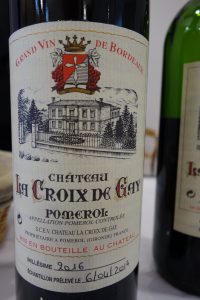
La Croix de Gay (95% Merlot and 5% Cabernet Franc)
N: Rich and spicy (cinnamon) with grassy, blueberry, chocolate, and liquorice notes.
P: Heavy mouthfeel. Sweet and a little obvious. Big, round type of Pomerol, but lacks depth. The aftertaste seems rather dry and I hope that the oak integrates later on.
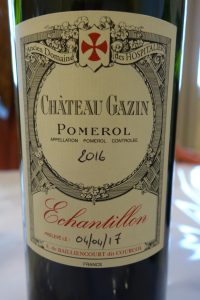
Gazin (87% Merlot, 5% Cabernet Franc, and 8% Cabernet Sauvignon)
N: Spirity and spicy. Very ripe. A little heat.
P: Manages to be big and delicate at the same time. Very soft, but shows plenty of character going into a vivacious aftertaste. The oak finish hides some of the lovely ripe fruit at present, but further ageing should put things in balance.
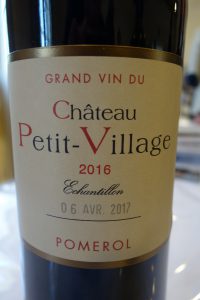
Petit Village (77% Merlot, 14% Cabernet Franc, and 9% Cabernet Sauvignon)
N: Deep and slightly spirity bouquet showing great Pomerol typicity and wild berries. Both serious and charming.
P: Medium-heavy mouth feel. Satiny high-quality tannin from beginning to end with a cushioned texture. Juicy and tart. Long aftertaste. Refreshing and thirst-quenching. A very superior Pomerol.
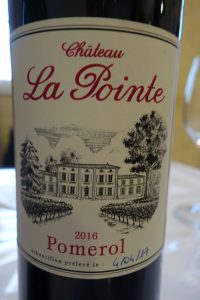
La Pointe (83% Merlot, 17% Cabernet Franc)
N: Rich fruit along with meaty aromas and overtones of humus and musk. Fine bouquet of a vin de terroir.
P: Quite round on entry but does not quite maintain the momentum before reaching the classy aftertaste. The almond and vanilla aromatics come more from the soil than the oak. There is also a burnt rubber component. Light-weight for its appellation.
Saint Emilion
==========
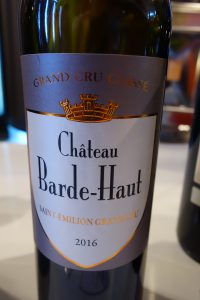
Barde Haut (80% Merlot and 20% Cabernet Franc)
N: Soft and fairly non-descript compared to its peers.
P: Chunky, a little confected. A crowd-pleasing sort of wine with marked acidity. A little hollow on the middle palate. Tangy aftertaste showing some minerality. A good commercial style.
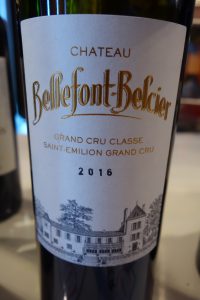
Bellefont-Belcier (72% Merlot, 17% Cabernet Franc, and 11% Cabernet Sauvignon)
N: Toasty oak and accompanying roast coffee aromas predominate.
P: Full, rich sensual attack then drops and returns with a pleasant rather mineral aftertaste. Seductive, easy-going, and typical of its appellation. Will be enjoyable young.
This château was recently sold by a Chinese to a Maltese. Bordeaux is nothing if not international!
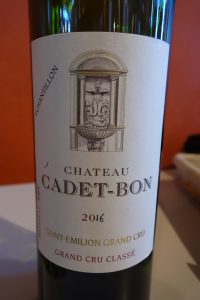
Cadet Bon (80% Merlot and 20% Cabernet Franc)
N: Very closed. Rich, but simple.
P: Melts in the mouth almost like fruit juice (i.e. texture and “sweetness”). Good mineral aftertaste. The sort of wine you don’t have to think about, just enjoy. The dryness on the tail end will probably diminish with ageing when the oak integrates.
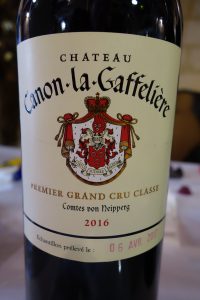
Canon La Gaffelière (55% Merlot, 35% Cabernet Franc, and 10% Cabernet Sauvignon)
N: Unusual medicinal nose of herbs and eucalyptus. Perhaps just a stage.
P: Much better on the palate. Velvety texture and rich berry fruit that does not let up until the end of the long aftertaste. The oak dries out the finish at this early stage, but if care is taken should not intrude later on. Excellent wine with good potential.
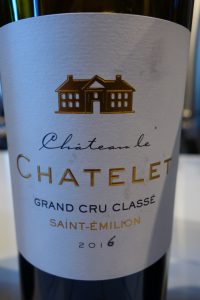
Le Chatelet (80% Merlot and 20% Cabernet Franc)
N: Soft blueberry aromas with some alcohol and chocolate notes.
P: Fine fluid juicy quality. Refreshing. Natural, with good follow-through and appetizing tannin on the finish.
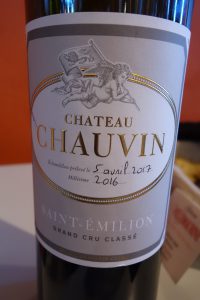
Chauvin (75% Merlot, 20% Cabernet Franc, and 5% Cabernet Sauvignon)
N: Pure, although subdued fruit. Oak presently has the upper hand. Some herbaceousness.
P: Herbs on the palate too. Tight and fairly dry with a weak middle palate. Unbalanced at present. Simply too much oak. However, this could change by the time the wine has been bottled and aged. Needs to be re-evaluated.
This estate was bought by the Cazes family of Lynch Bages in 2014.
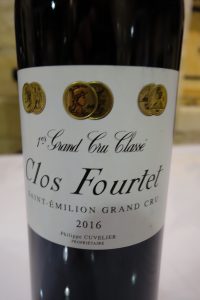
Clos Fourtet (90% Merlot, 8% Cabernet Sauvignon, and 2% Cabernet Franc)
N: Pure, fresh, and classy. Needs only time to express itself fully.
P: Sinewy, compact, and penetrating. Heavy mouth feel. This is a big wine that spreads out on the palate. Shows some alcohol. Fine-grained grippy tannin. Slightly hot aftertaste, but this is nevertheless a winner that should age very well.
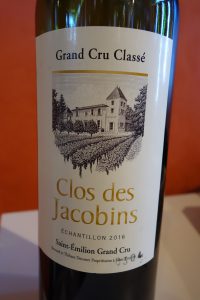
Clos des Jacobins (80% Merlot, 18% Cabernet Franc, and 2% Cabernet Sauvignon)
N: Very toasty oak and coffee aromas. Too much. You feel as though you are smelling a cup of espresso. Some herbaceousness comes out with aeration.
P: Much better on the palate so let us hope that the oak integrates later on. Big, mouthfilling wine with lovely fruit waiting to come out from the yoke of the oak (hey, I’m a poet and don’t even know it!). Dry aftertaste. Please save Private Ryan and reduce the oak here. Everyone will be happier.
This estate is owned by the Decoster family who came from the Limoges china industry.
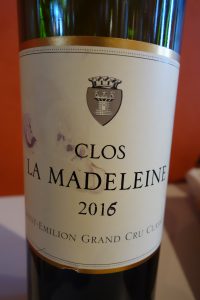
Clos la Madeleine (75% Merlot and 25% Cabernet Franc)
N: Low-key fruit with the sensation of freshly-mown grass.
P: Starts out big and then drops precipitously. Hollow on the middle palate. There’s a nice fruity tanginess on the aftertaste but this capitulates to the oak at present.
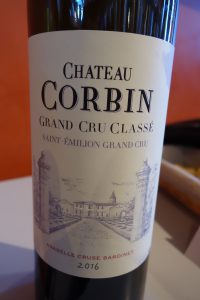
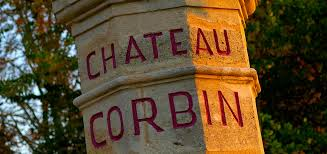
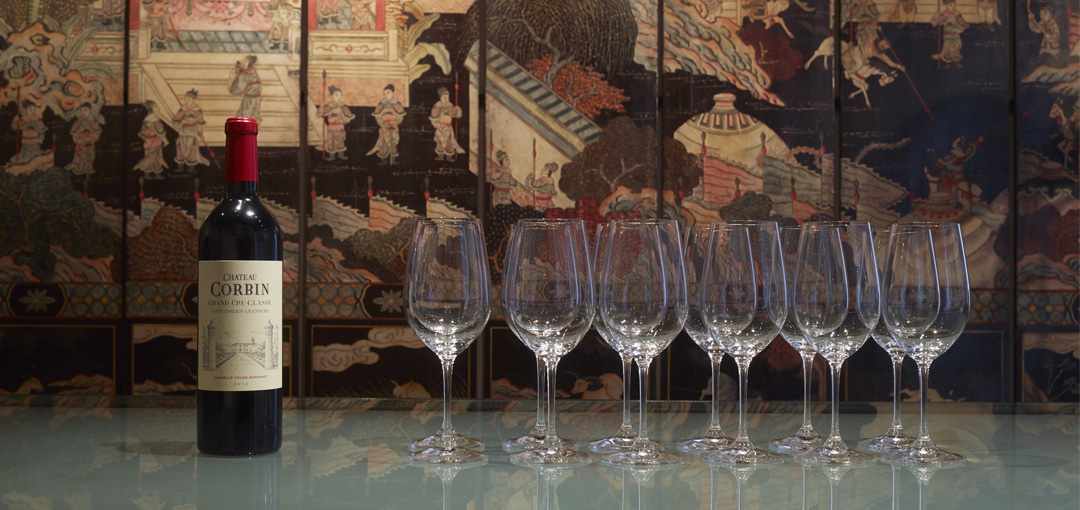
Corbin (80% Merlot and 20% Cabernet Franc)
N: Pure seemingly unoaked bouquet. Fresh and seems more floral than fruity.
P: Chunky, rich, and mouthfilling, but does not develop quite so well on the palate. Really big and round but also hollow. How will the oak integrate? At present it overwhelms what would have been a great aftertaste.
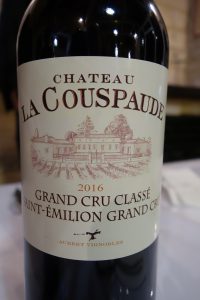
La Couspaude (75% Merlot, 20% Cabernet Franc, and 5% Cabernet Sauvignon)
N: Subtle, fresh, and concentrated berry liqueur notes with some grassy aromas.
P: Tasty and sweet but somewhat one-dimensional. The fine aftertaste brands it as a Saint Emilion. Quite juicy going into a tart mineral finish. Good but not stellar.
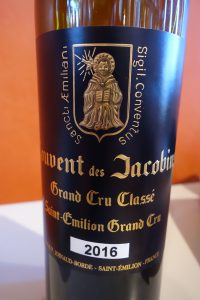
Couvent des Jacobins (85% Merlot, 11% Cabernet Franc, and 4% Petit Verdot)
N: Very primary fruit with a herbaceous quality.
P: Juicy and tasty. A little dry on the aftertaste, but there is lovely upfront joyous fruit. Let us hope that everything evens out in the end.
Couvent des Jacobins (85% Merlot, 11% Cabernet Franc, and 4% Petit Verdot)
N: Very primary fruit with a herbaceous quality.
P: Juicy and tasty. A little dry on the aftertaste, but there is lovely upfront joyous fruit. Let us hope that everything evens out in the end.
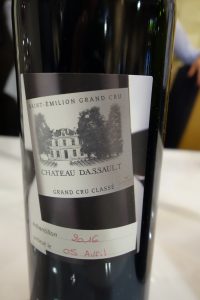
Dassault (73% Merlot, 22% Cabernet Franc, and 5% Cabernet Sauvignon)
N: Slightly reduced nose. Pronounced, but not complex, with plum nuances. Alcoholic smell of slightly overripe Merlot.
P: Rich, silky, and brawny going into an unexpectedly fresh and especially mineral aftertaste. A wine of strong character and a good Dassault.
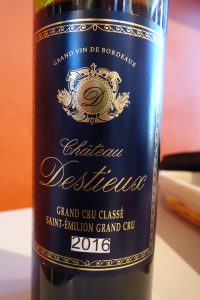
Destieux (66% Merlot, 17% Cabernet Franc, and 17% Cabernet Sauvignon)
N: Soft, biscuity, and enticing, but not really expressive and focused yet.
P: Rich, melts in the mouth, big, round, fresh, and sensual. The oak is largely under control and there is a fine textured aftertaste. Lots of pleasure here. Only the muted nose keeps this from being a winner. Let us hope that this comes out over time.
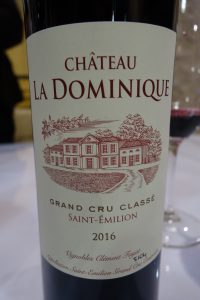
La Dominique (80% Merlot, 12% Cabernet Franc, and 8% Cabernet Sauvignon)
N: Lots of toasty oak. A little hollow and alcoholic at this time.
P: Sinewy and velvety. Soft with a medium-heavy mouth feel and a flavour that dips before coming back into a long tannic and mineral aftertaste. A serious, sturdy, broad-shouldered wine that is, once again, a little dry on the finish at this time.
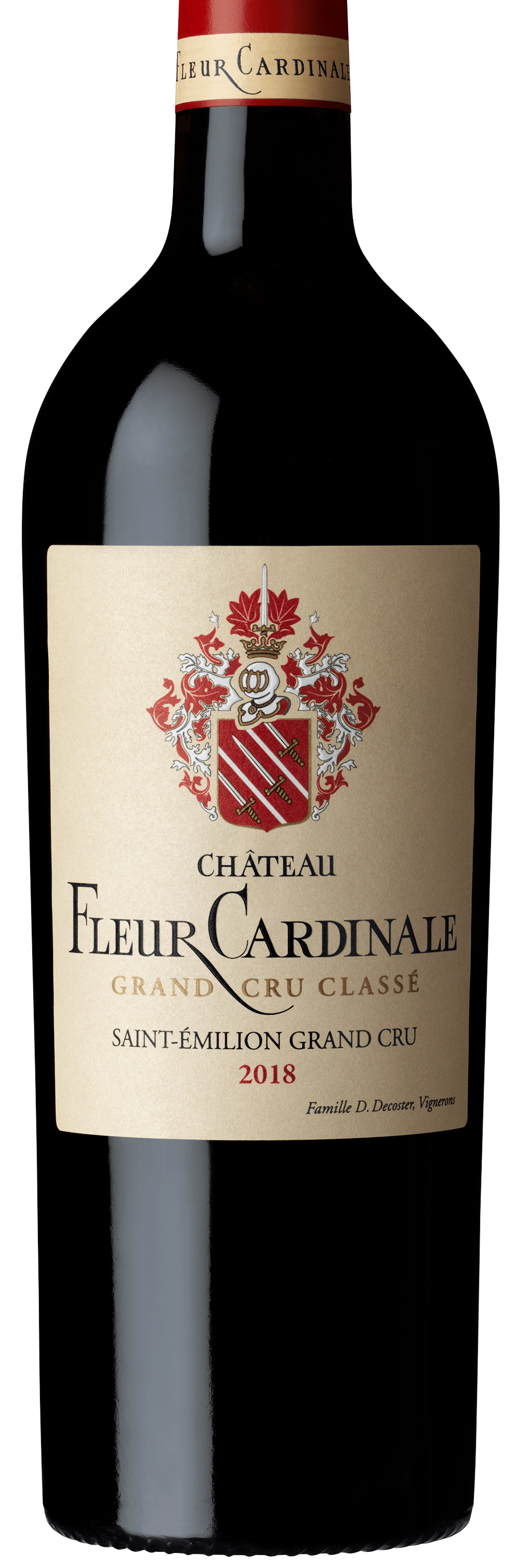
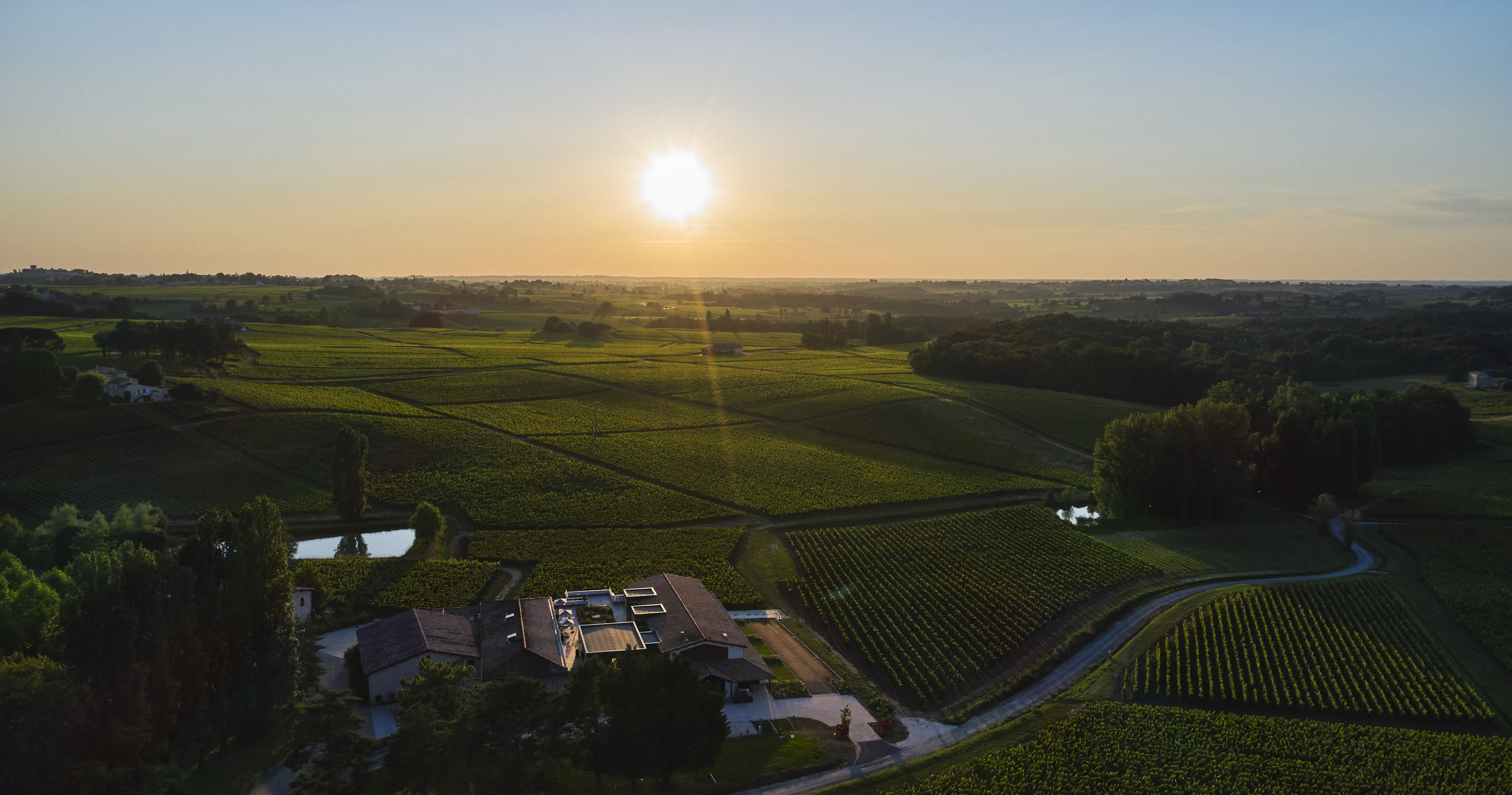
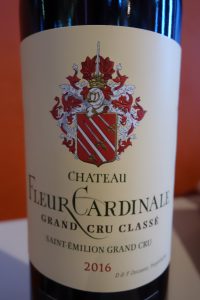
Fleur Cardinale (75% Merlot, 20% Cabernet Franc, and 5% Cabernet Sauvignon)
N: Cherry-vanilla aromas accompanied by a strong blackberry component. Beautiful ripe bouquet. Still, needs to come together, which is hardly surprising.
P: Big mouthful of wine. Spreads out confidently on the palate. Round and sensual with a silky texture. Excellent.
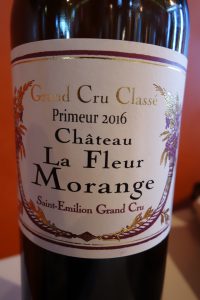
La Fleur Morange (70% Merlot and 30% Cabernet Franc)
N: Subtle black cherry aromas.
P: Medium body and silky texture. Well-balanced with oak in check and showing nice minerality. High quality tannin. Classic and satisfying. I was delighted to discover this fine cru classé I did not know.
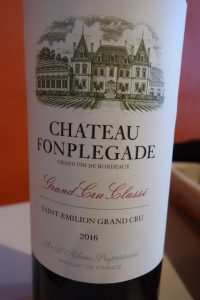
Fonplégade (90% Merlot and 10% Cabernet Franc)
N: Soft and not very expressive. Underlying black fruit waiting to be liberated. Some understated oak.
P: Sweet juicy fruit with a refreshing, thirst-quenching quality. Medium-heavy mouth feel. Oak dominates the aftertaste, but this could very well change over time. Very good.
The château has been certified organic since the 2013 vintage.
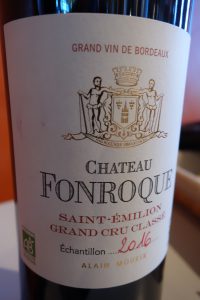
Fonroque (85% Merlot and 15% Cabernet Franc)
N: Honest, forthright, subtle nose of black fruit.
P: Fills out nicely on the palate. Chunky with exuberant fruit. Good mineral aftertaste and not too dry. Surprisingly good and seems like an excellent value this year.
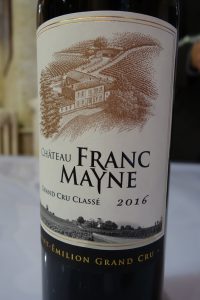
Franc Mayne (90% Merlot and 10% Cabernet Franc)
N: Some reduction there. Not in very good form this day. Deep, slightly spirit blueberry and fresh leather.
P: A certain tartness and an average quality compared to other crus classés. Strong limestone-induced minerality on the aftertaste.
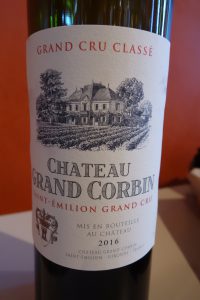
Grand Corbin (80% Merlot, 16% Cabernet Franc, and 4% Cabernet Sauvignon)
N: Beautiful fresh and largely floral nose (field of spring flowers) with fruit not far behind as well as some chocolate nuances.
P: This strange and unexpected floral quality carries over to the palate. Thickish body and a long earthy aftertaste with mineral and oaky overtones. Perhaps more interesting and unusual than good.
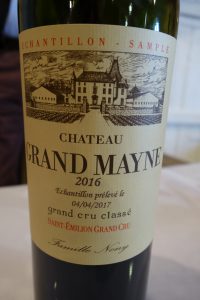
Grand Mayne (85% Merlot and 15% Cabernet Franc)
N: Soft, natural, and seems virtually unoaked. Deep and mysterious with lovely Merlot fruit.
P: Big and round, but with a slightly dilute quality. Displays the trademark finish of wines from the Saint Emilion plateau: an unmistakable limestone minerality. Toned-down compared to some other vintages from this estate. Very good.
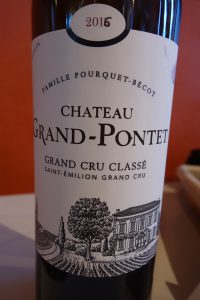
Grand Pontet (75% Merlot, 17.5% Cabernet Franc, and 7.5% Cabernet Sauvignon)
N: Cherry cough syrup
P: Big, full and sweet. Does not really follow through from the attack to the dry finish. Going on towards being a fruit bomb. Ends really very dry due to oak. A pity because there are some unquestionably good aspects to the wine.
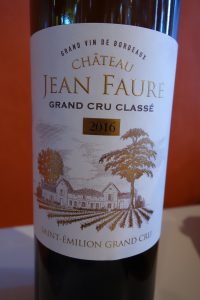
Jean Faure (50% Cabernet Franc, 45% Merlot, and 5% Merlot)
N: Not much going on. Wait and see.
P: Big volume but hollow. Unattractive dry aftertaste. Clobbered by the oak.
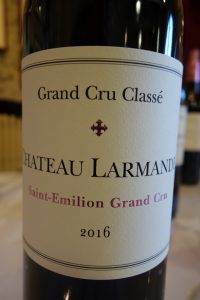
Larmande (77% Merlot, 19% Cabernet Franc, and 4% Cabernet Sauvignon)
N: Discreet, fresh, and attractive black fruit with some toasty oak.
P: Sweet, round, and sensual Merlot melts in the mouth. Very good and will be quite enjoyable young.
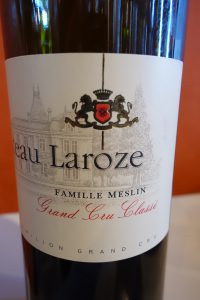
Laroze (65% Merlot, 26% Cabernet Franc, and 9% Cabernet Sauvignon)
N: Blueberry aromas, but not very subtle.
P: Seems almost more floral than fruity on the palate, and goes from a chunky rich attack into a rather dry aftertaste. Not the most distinguished of the tasting.
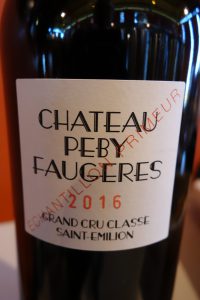
Péby Faugères (100% Merlot)
N: Inky, dark, mysterious, and promising bouquet. I must have been carried away… My notes say “a beautiful Andalusian woman”!
P: Complex, and round, with a lovely texture. Impeccable. Wonderful soft tannin. Seductive, yet serious and the oak is within reason. Is Silvio Denz gunning for first growth status? If this bottle is anything to go by, he is well on his way. Between the special Lalique embossed bottle and the price tag, I was expecting to find something overdone. But no, this is really good.
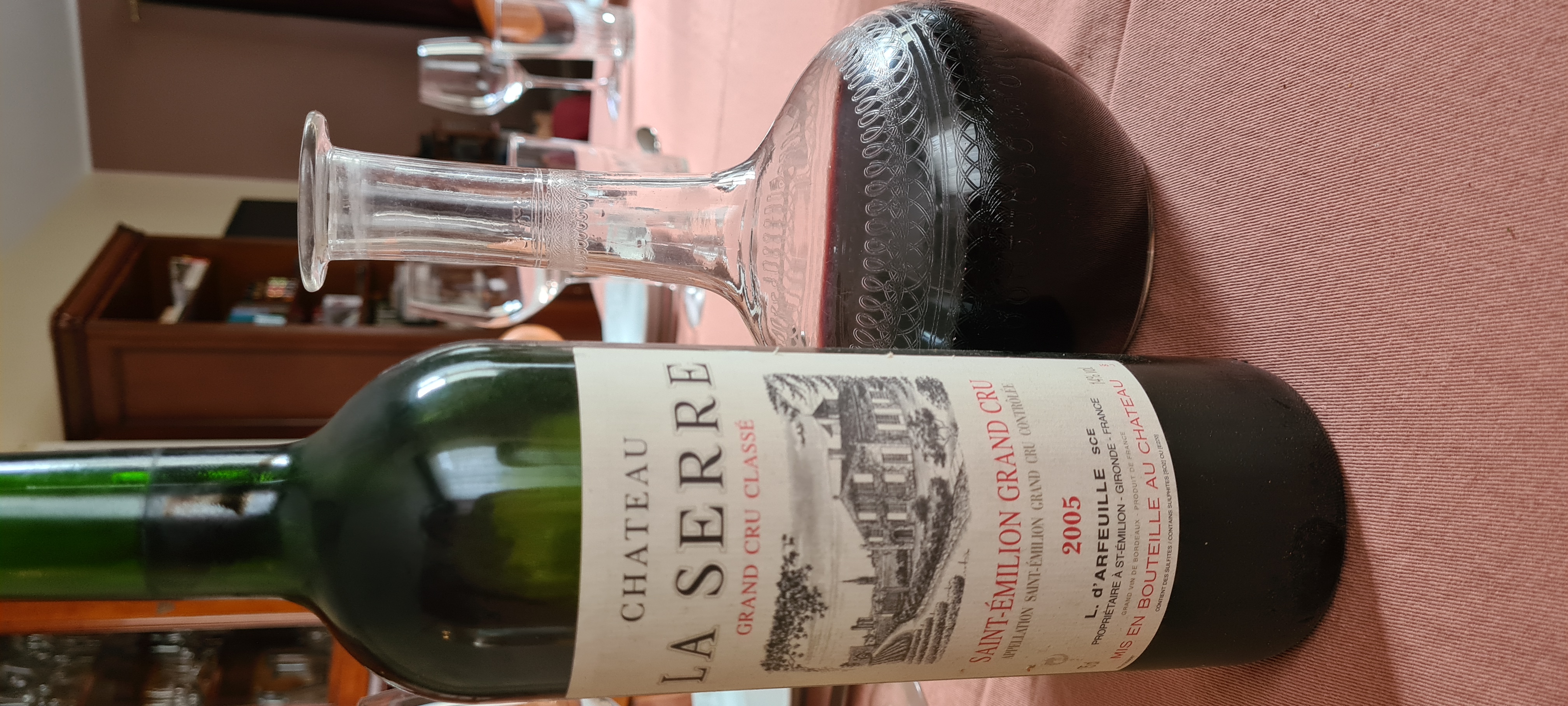
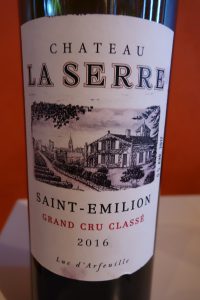
La Serre (80% Merlot and 20% Cabernet Franc)
N: Bit herbaceous and rustic. Some chocolate, cherry, and oak notes.
P: Big, but a bit flabby. Refreshing, but lacklustre. Minerality typical of Saint-Emilion’s limestone plateau on the aftertaste, but this is somewhat of an afterthought… Proper, just not special.
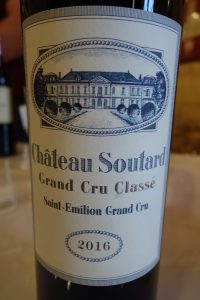
Soutard (63% Merlot, 34% Cabernet Franc, 2% Cabernet Sauvignon, and 1% Malbec)
N: Fresh, sweet, and pure aromas of brambly fruit with some chocolate nuances.
P: Big with a heavy mouth feel, but the impressive entry seems a little diluted thereafter, going on somewhat disjointedly into a puckery mineral finish. A different style from the sister château, Larmande, and needs more time to age.
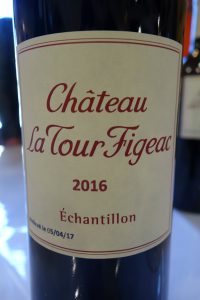
La Tour Figeac (70% Merlot and 30% Cabernet Franc)
N: Not a lot of personality. Sweet and simple.
P: Much better on the palate. Melts in the mouth and then asserts itself with considerable volume, marked berry flavors, and noticeably high alcohol. Good tannin, minerality, and long fruity finish. A sleeper.
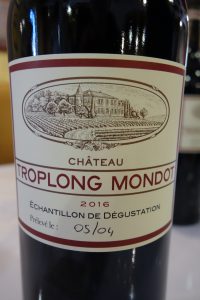
Troplong Mondot (90% Merlot, 8% Cabernet Sauvignon, and 2% Cabernet Franc)
N: Strong berry liqueur aromas. Alcohol. Not complex.
P: At 15° this reminds me a bit of Harlan from California in that I don’t want to like it, but end up being taken in. Close-minded, moi? A New World type of wine in many respects. Concentrated, big, and unrelenting, yet deeply soft. I liked it despite a hot, dry aspect to the finish. Go figure.
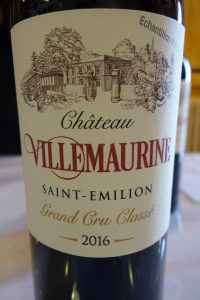
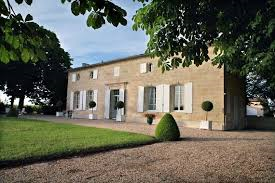
Villemaurine (80% Merlot and 20% Cabernet Franc)
N: Floral, lead pencil, and earthy notes
P: Starts out big, round, and generous, then backs off and dips, going on to display a combination of rich fruit and minerality. Long berry aftertaste with an oak influence that needs some watching. Very good.










![20150111_212736[1]](http://www.bordeauxwineblog.com/wp-content/uploads/2015/01/20150111_2127361-e1421417468812.jpg)
![20150111_212328[1]](http://www.bordeauxwineblog.com/wp-content/uploads/2015/01/20150111_2123281-e1421417965630.jpg)
![20150111_212534[1]](http://www.bordeauxwineblog.com/wp-content/uploads/2015/01/20150111_2125341-e1421417487557.jpg)